Watch NOW
Watch NOW
Our story is a journey of learning, refining, and rebuilding. From PACKAGED GOODS to fine dining, each chapter brought us closer to a more honest expression of Mexican cuisine.
2019
Our Beginning
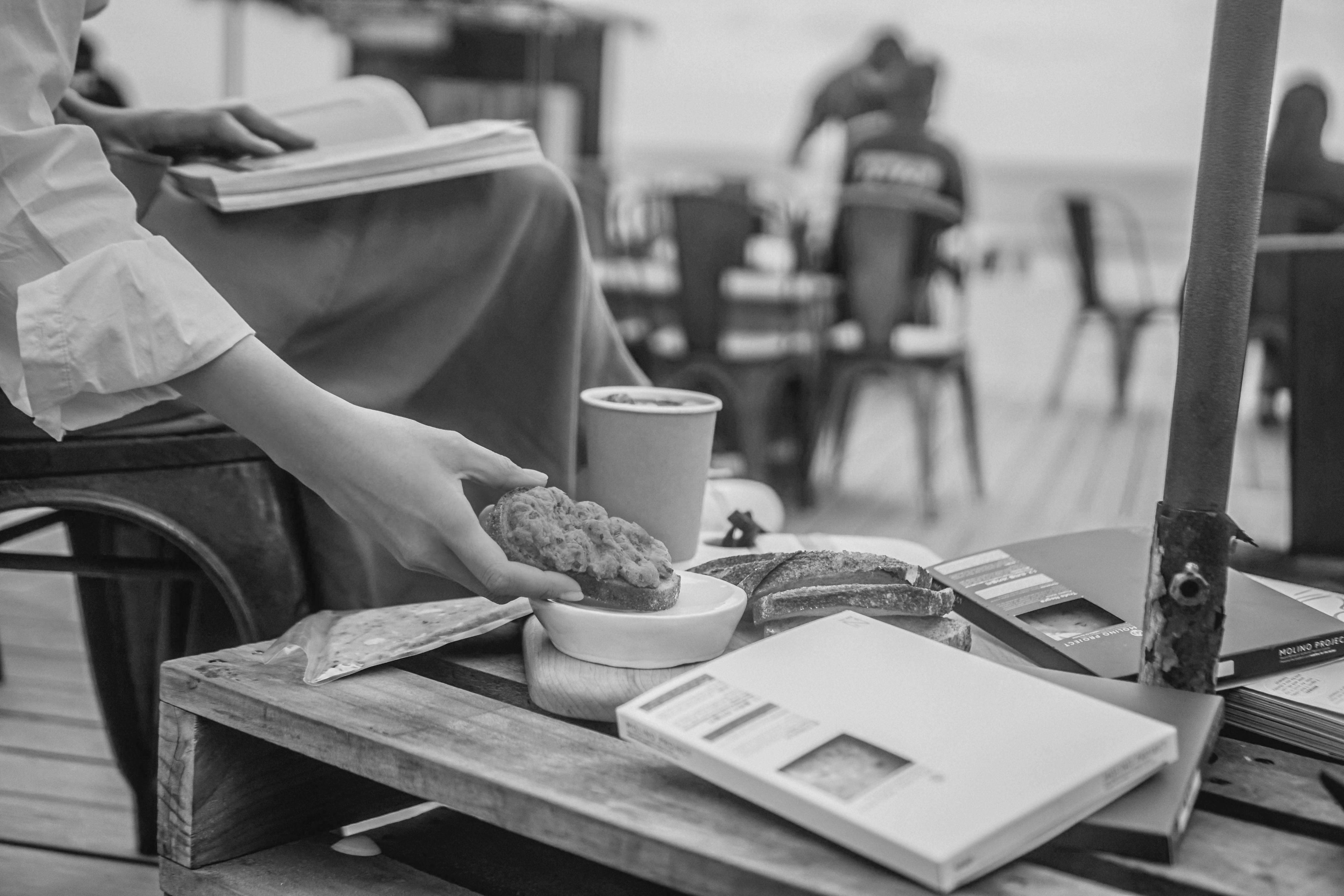
Molino Project began with a single product: pre-packaged guacamole made from scratch. At the time, most guacamole available in Korea came in the form of imported, frozen purées, or was produced locally with heavy citric acid to reduce cost and extend shelf life.
But we believed there was room for something different—something that reflected pulp of avocados, proper seasoning, and the integrity of Mexican flavor in a convenient form that can be enjoyed anywhere. To test that belief, we launched our guacamole on Wadiz, Korea’s leading crowdfunding platform.
To our surprise, the first campaign reached 5,472% funding. The second round reached 8,215% funding. These campaigns not only validated the demand for authenticity, but also formed the foundation of Molino Project, helping us build an early community of supporters who valued honest, well-crafted Mexican flavors. What began as a small product became the starting point for everything we would create afterward.
2021
Experience first
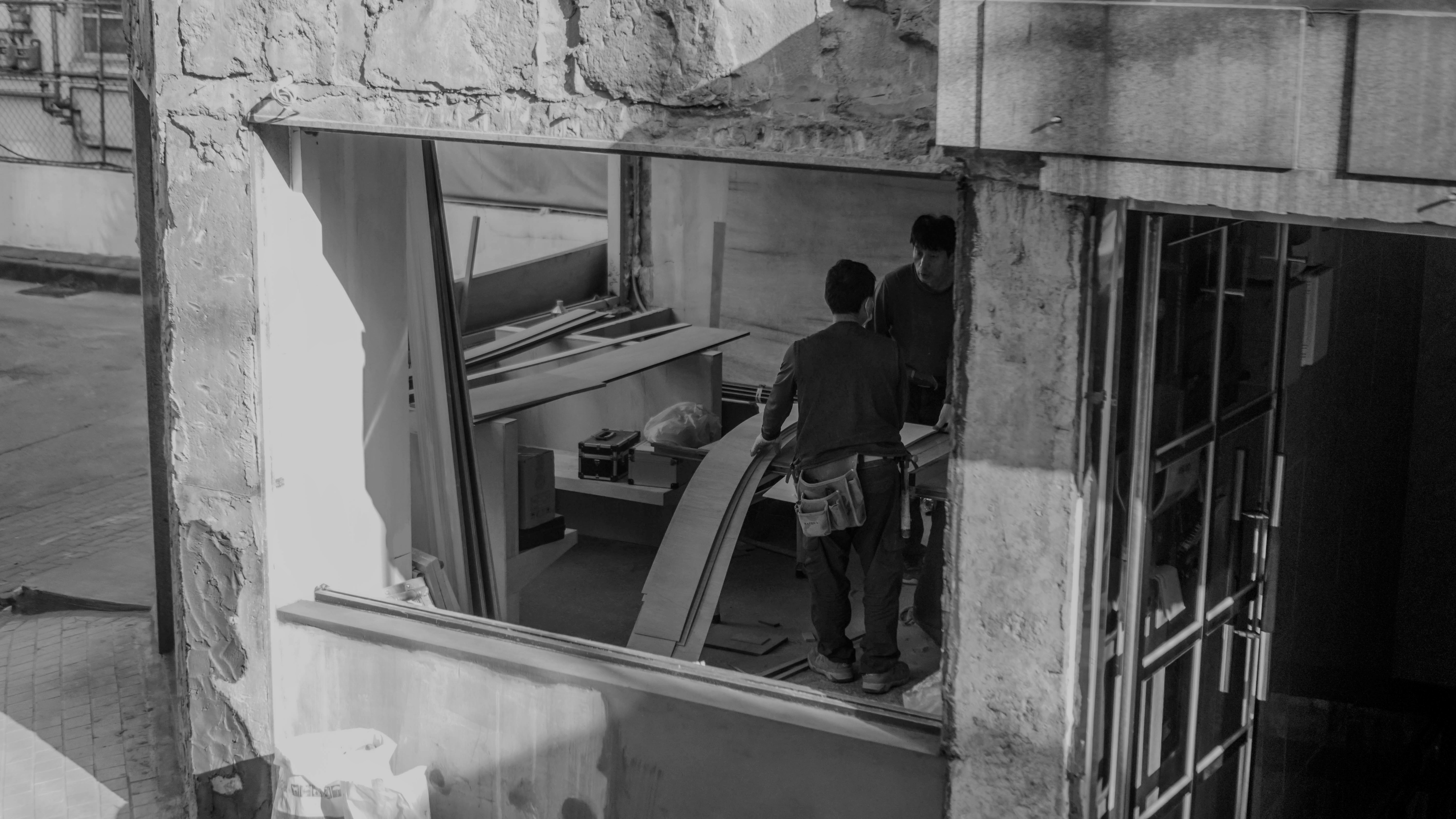
El Molino opened as our first physical space, and it played a critical role in shaping the direction of Molino Project as a whole. Strategically placed in Sungsu, a neighborhood that draws a wide diverse audience, El Molino became the point where visitors could experience our philosophy in a tangible way.
At the time, Korea had little exposure to nixtamalization, fresh masa, or corn-focused Mexican cooking. By producing masa from scratch building an entire kitchen around it, El Molino introduced the foundational craft behind Mexican cuisine.
El Molino served not only as a restaurant, but as a cultural bridge: a place where guests could understand why masa matters, how tortillas are made, and what “Mexican cuisine” truly begins with.
Its reception confirmed that Korean diners were ready for deeper exploration of Mexican food. And in many ways, El Molino became the platform that allowed us to move forward, supporting the launch of our subsequent brands and helping us build a culinary identity grounded in authenticity and cultural respect.
2022
Real street tacos
LA CALLE was created to introduce a side of Mexican cuisine that is everyday, immediate, and deeply rooted in local culture: the street taco.
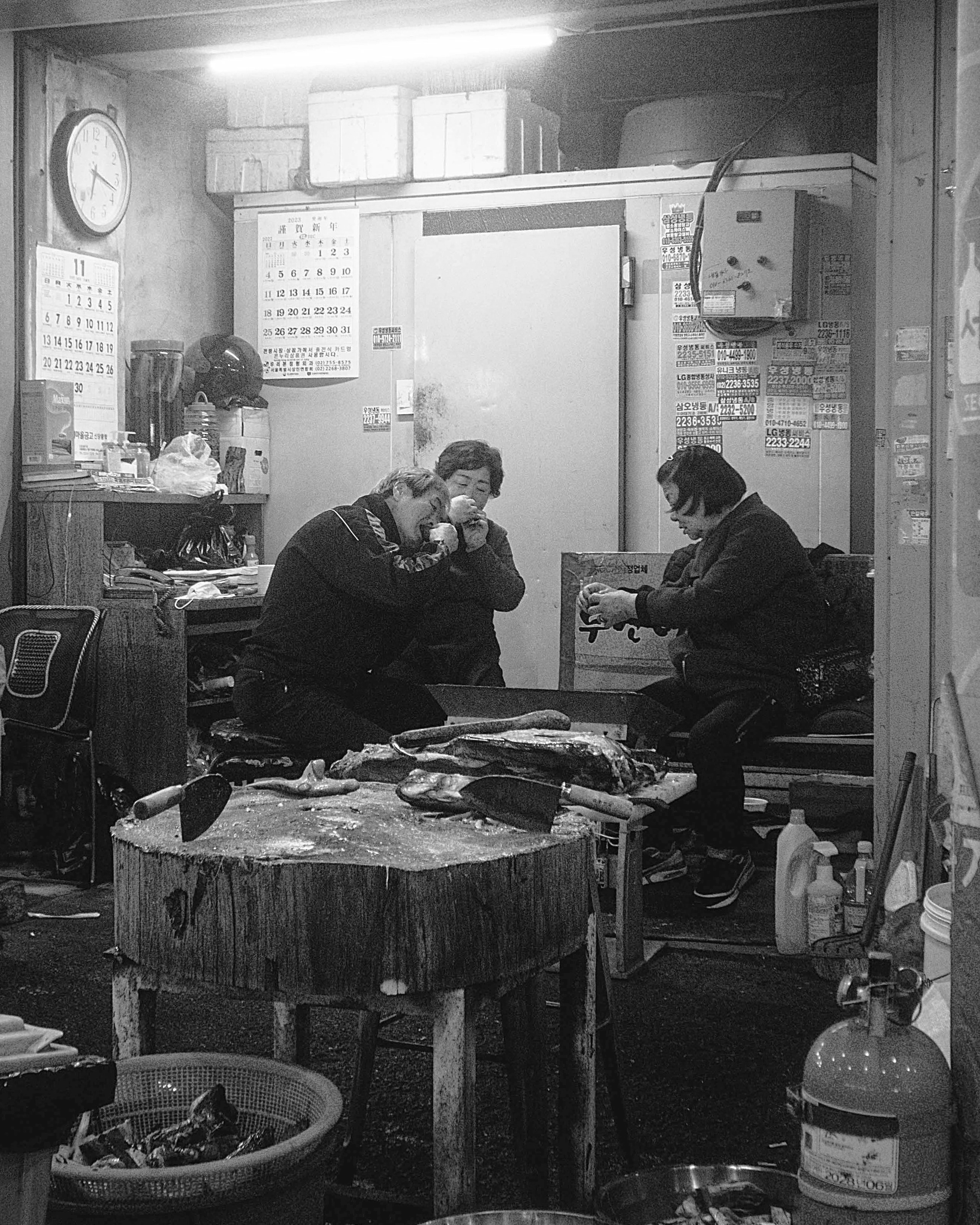
We chose to open it inside a traditional Korean market—a setting that naturally mirrors the energy of Mexico’s street taco stand. At a time when “Mexican food” in Korea often leaned toward Western-style Tex-Mex, LA CALLE filled a gap by presenting ingredient-focused tacos made with suadero, al pastor, tripa, and lengua.
LA CALLE helped us reach an audience seeking food that is direct, accessible, and unpretentious. Its success demonstrated that Korean diners were ready for the real flavors found in Mexican taquerías, not just their adapted versions. More importantly, LA CALLE became a pillar in our multi-brand ecosystem, strengthening the bridge between traditional craft and broader market accessibility.
2023

Our north star
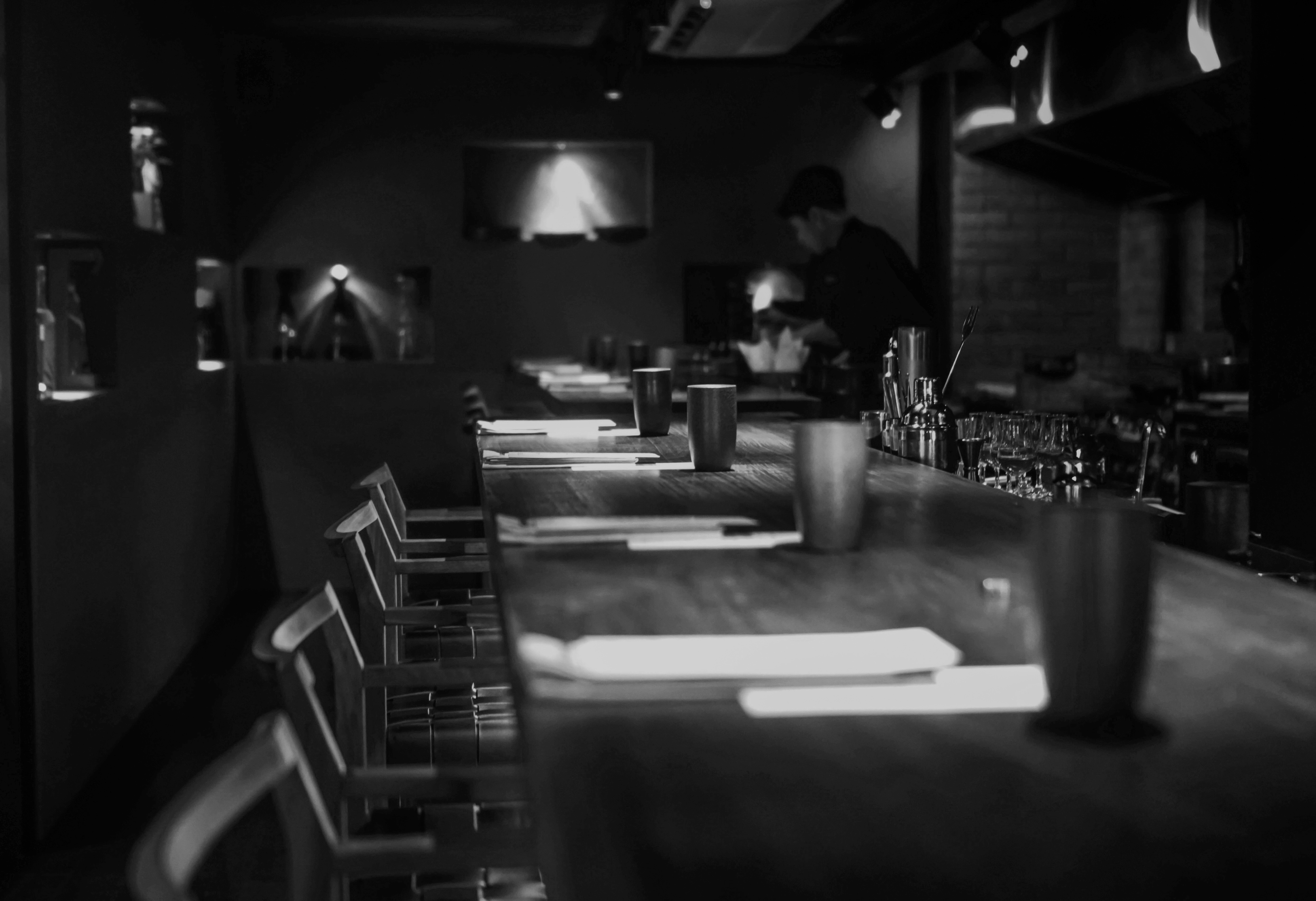
Escondido represents the opposite yet complementary end of our culinary spectrum: a fine dining restaurant of Mexican cuisine built on cultural heritage passed down through generations.
It anchors the deeper cultural values of our group—showcasing that Mexican cuisine is not a trend, but a lineage. When we opened Escondido, we aimed to challenge a longstanding misconception in Korea: that Mexican food is “greasy, heavy, or simply spicy.”
Escondido demonstrates instead that it is a cuisine with extraordinary depth, regional precision, and centuries of history.
Through a chef’s-table format, we explore culinary narratives that had rarely traveled eastward. In this sense, Escondido became part of a broader movement: the expansion of Mexican gastronomy into the East, presented with the same rigor and respect found in Mexico’s most celebrated kitchens.
Escondido played a defining role in shaping the identity of Molino Project. It established a culinary benchmark, proving that Mexican gastronomy can stand alongside global fine dining traditions while maintaining its cultural authenticity.
Located in a district known for discerning diners, Escondido allowed us to reach guests seeking thoughtful, elevated experiences. Its recognition—earning a MICHELIN one-star less than a year after opening—reinforced our commitment to the culture and integrity. Within our brand portfolio, Escondido acts as our north star: a space that advances research, technique, and cultural understanding, and a guiding force that enables every other Molino Project brands to grow with clarity and purpose.
2025
El Botanero
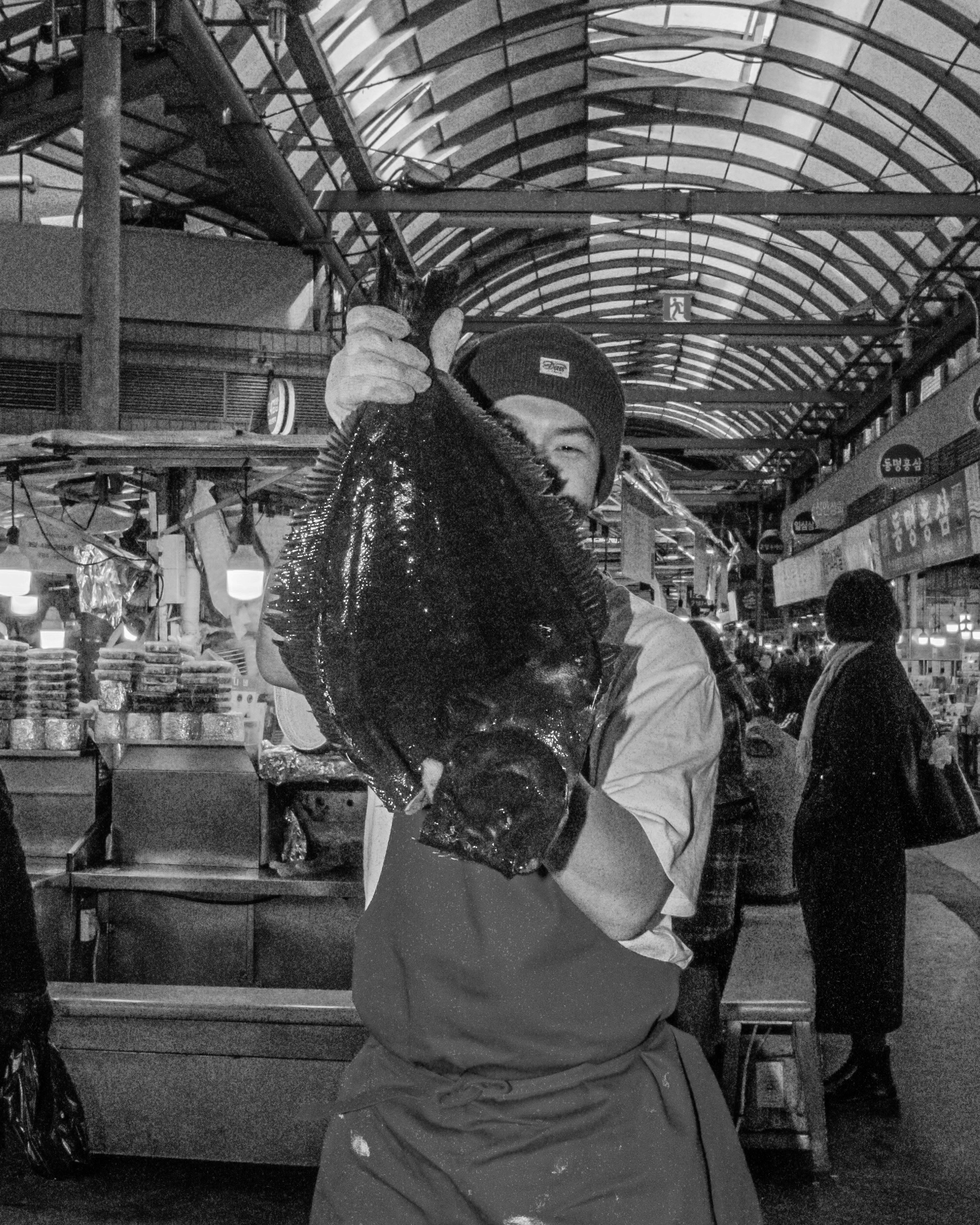
Pescadería was created to introduce the lively coastal culture of marisquerías and botáneros. Pescadería brings together fresh local seafood and Mexican flavors.
Located in the historic Gyeongdong Market, we rooted the concept in an environment that reflects the everyday rhythm of Mexican seafood stalls and neighborhood cantinas. Rather than pursuing strict traditionalism, Pescadería embraces a more flexible approach— showing that aguachile, empanadas, simesaba, and seafood tacos can coexist naturally.
It highlights a side of Mexican cuisine that goes beyond the familiar stereotypes of greasy proteins and strong spices. Within Molino Project, Pescadería serves a clear purpose: to demonstrate that Mexican cuisine is broader, lighter, and more diverse than many assume— proving that authenticity can also be expressed through adaptation, local ingredients, and a spirit of openness.
By connecting Korean seafood with Mexico’s coastal sensibilities, Pescadería shows how culinary cultures can meet and evolve naturally, while still honoring the flavors that make them meaningful.
Our story is a journey of learning, refining, and rebuilding. From PACKAGED GOODS to fine dining, each chapter brought us closer to a more honest expression of Mexican cuisine.
2019
Our Beginning
Molino Project began with a single product: pre-packaged guacamole made from scratch. At the time, most guacamole available in Korea came in the form of imported, frozen purées, or was produced locally with heavy citric acid to reduce cost and extend shelf life.
But we believed there was room for something different—something that reflected pulp of avocados, proper seasoning, and the integrity of Mexican flavor in a convenient form that can be enjoyed anywhere. To test that belief, we launched our guacamole on Wadiz, Korea’s leading crowdfunding platform.
To our surprise, the first campaign reached 5,472% funding. The second round reached 8,215% funding. These campaigns not only validated the demand for authenticity, but also formed the foundation of Molino Project, helping us build an early community of supporters who valued honest, well-crafted Mexican flavors. What began as a small product became the starting point for everything we would create afterward.
2021
Experience first
El Molino opened as our first physical space, and it played a critical role in shaping the direction of Molino Project as a whole. Strategically placed in Sungsu, a neighborhood that draws a wide diverse audience, El Molino became the point where visitors could experience our philosophy in a tangible way.
At the time, Korea had little exposure to nixtamalization, fresh masa, or corn-focused Mexican cooking. By producing masa from scratch building an entire kitchen around it, El Molino introduced the foundational craft behind Mexican cuisine.
El Molino served not only as a restaurant, but as a cultural bridge: a place where guests could understand why masa matters, how tortillas are made, and what “Mexican cuisine” truly begins with.
Its reception confirmed that Korean diners were ready for deeper exploration of Mexican food. And in many ways, El Molino became the platform that allowed us to move forward, supporting the launch of our subsequent brands and helping us build a culinary identity grounded in authenticity and cultural respect.
2022
Real street tacos
LA CALLE was created to introduce a side of Mexican cuisine that is everyday, immediate, and deeply rooted in local culture: the street taco.
We chose to open it inside a traditional Korean market—a setting that naturally mirrors the energy of Mexico’s street taco stand. At a time when “Mexican food” in Korea often leaned toward Western-style Tex-Mex, LA CALLE filled a gap by presenting ingredient-focused tacos made with suadero, al pastor, tripa, and lengua.
LA CALLE helped us reach an audience seeking food that is direct, accessible, and unpretentious. Its success demonstrated that Korean diners were ready for the real flavors found in Mexican taquerías, not just their adapted versions. More importantly, LA CALLE became a pillar in our multi-brand ecosystem, strengthening the bridge between traditional craft and broader market accessibility.
2023
Our north star
Escondido represents the opposite yet complementary end of our culinary spectrum: a fine dining restaurant of Mexican cuisine built on cultural heritage passed down through generations.
It anchors the deeper cultural values of our group—showcasing that Mexican cuisine is not a trend, but a lineage. When we opened Escondido, we aimed to challenge a longstanding misconception in Korea: that Mexican food is “greasy, heavy, or simply spicy.”
Escondido demonstrates instead that it is a cuisine with extraordinary depth, regional precision, and centuries of history.
Through a chef’s-table format, we explore culinary narratives that had rarely traveled eastward. In this sense, Escondido became part of a broader movement: the expansion of Mexican gastronomy into the East, presented with the same rigor and respect found in Mexico’s most celebrated kitchens.
Escondido played a defining role in shaping the identity of Molino Project. It established a culinary benchmark, proving that Mexican gastronomy can stand alongside global fine dining traditions while maintaining its cultural authenticity.
Located in a district known for discerning diners, Escondido allowed us to reach guests seeking thoughtful, elevated experiences. Its recognition—earning a MICHELIN one-star less than a year after opening—reinforced our commitment to the culture and integrity. Within our brand portfolio, Escondido acts as our north star: a space that advances research, technique, and cultural understanding, and a guiding force that enables every other Molino Project brands to grow with clarity and purpose.
2025
El Botanero DE MARISCOS
Pescadería was created to introduce the lively coastal culture of marisquerías and botáneros. Pescadería brings together fresh local seafood and Mexican flavors.
Located in the historic Gyeongdong Market, we rooted the concept in an environment that reflects the everyday rhythm of Mexican seafood stalls and neighborhood cantinas. Rather than pursuing strict traditionalism, Pescadería embraces a more flexible approach— showing that aguachile, empanadas, simesaba, and seafood tacos can coexist naturally.
It highlights a side of Mexican cuisine that goes beyond the familiar stereotypes of greasy proteins and strong spices. Within Molino Project, Pescadería serves a clear purpose: to demonstrate that Mexican cuisine is broader, lighter, and more diverse than many assume— proving that authenticity can also be expressed through adaptation, local ingredients, and a spirit of openness.
By connecting Korean seafood with Mexico’s coastal sensibilities, Pescadería shows how culinary cultures can meet and evolve naturally, while still honoring the flavors that make them meaningful.