Our mission is shaped by a long process of learning WITH DEEP RESPECT FOR Mexican cuisinE. From ingredients to daily practice, each step brings us closer to presenting Mexican cuisine in Korea with integrity.
I. Authenticity
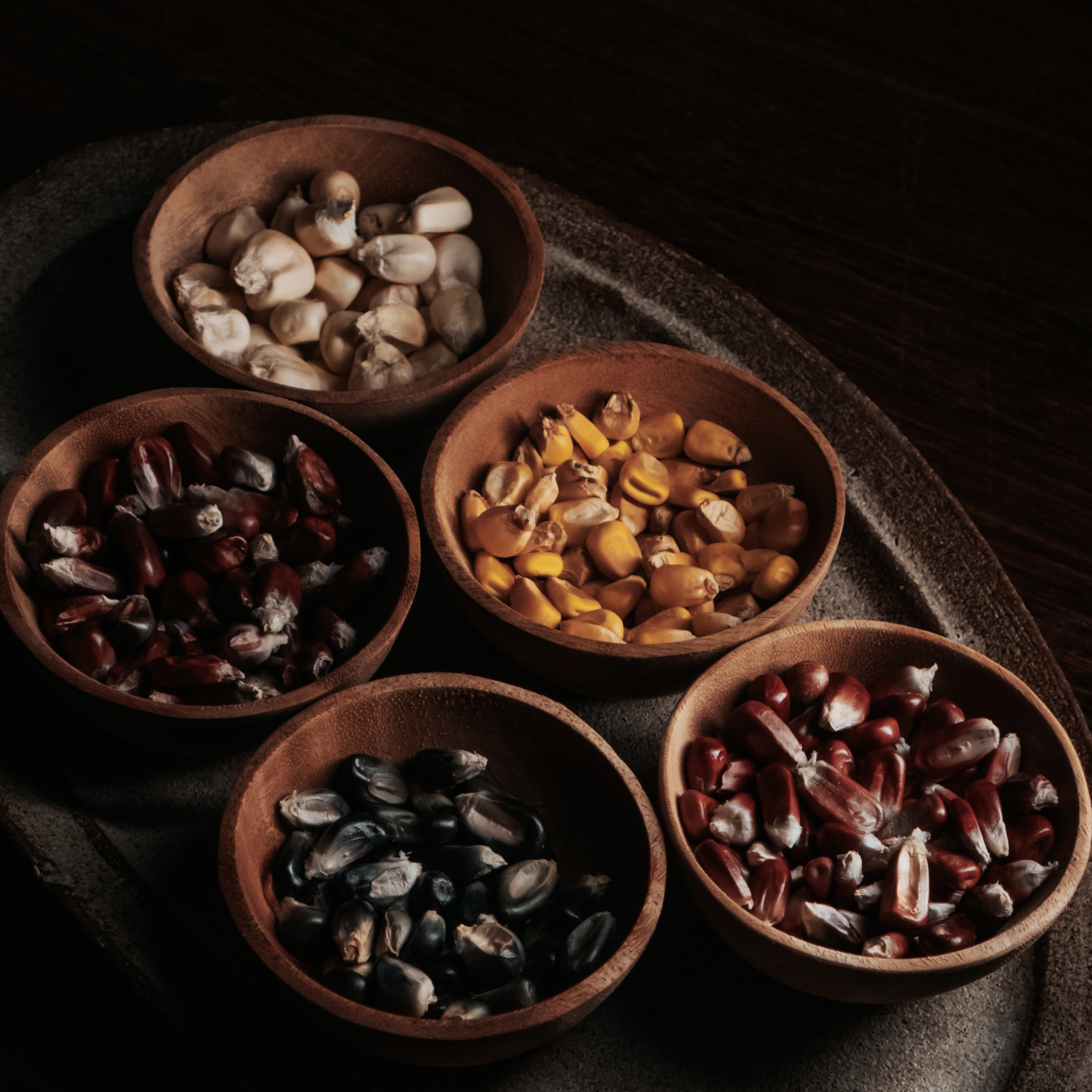
We begin with what came before us. Our first responsibility is to understand those origins—its ingredients, tools, and the stories carried through them.
We start with corn. We study maize at its origin and practice nixtamalization, bringing real masa into Korea with respect for the techniques that shaped it. By grounding our work in masa and traditional processes, we restore a depth that has long been missing in Korea’s understanding of Mexican food.
By studying these foundations, we bring tradition, depth, and cultural clarity into a Korean context where such layers have long been absent. This pillar ensures that any expression of Mexican cuisine we build in Korea rests on an authentic ground.
II. Popularization
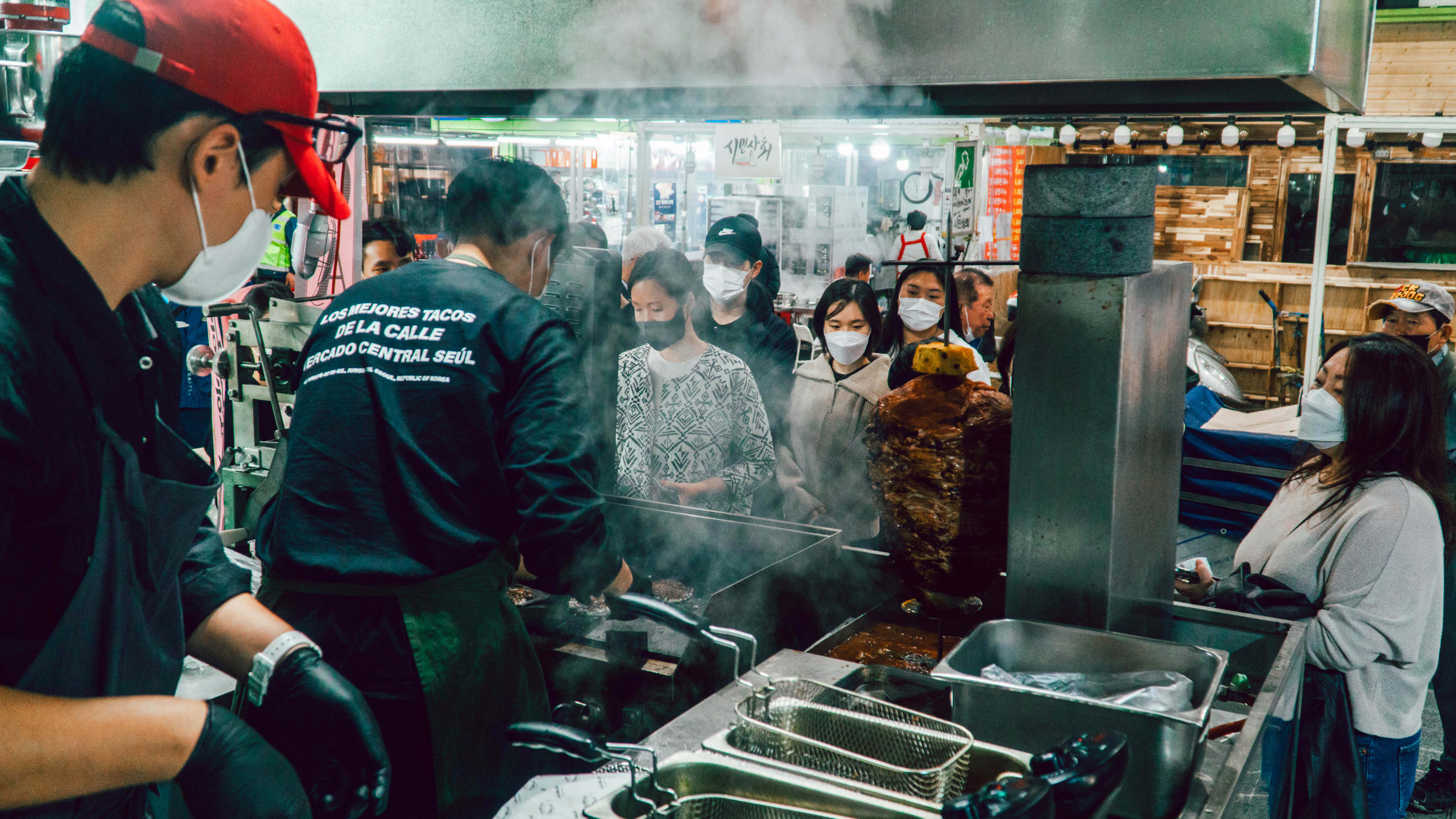
A cuisine grows when it becomes part of everyday life. Our approach always begins with respecting authenticity and drawing parallels— finding the natural points where Mexican and Korean food already meet: the comforting warmth of broth, the brightness of spice, the pleasure of heat, and the shared culture of gathering around something hot and freshly made.
Across our various formats, we create spaces where guests stay for hours on average— long enough to encounter new dishes, understand ingredients, and naturally become familiar with Mexican culture. By grounding our work in authenticity while highlighting familiar sensibilities, we introduce Mexican cuisine in approachable yet impactful forms— tacos cooked on the plancha, suadero slowly simmered, lengua chopped to order, and flavors meant to be shared without hesitation.
Through these everyday dining experiences, media exposure, events, and cultural programming, we expand both awareness and demand—growing the presence, familiarity, and market size of Mexican cuisine within Korea.
Popularization, for us, means creating connection— educating through experience, amplifying cultural parallels, and inviting more people into the depth and vibrancy of Mexican cuisine.
III.Diversification
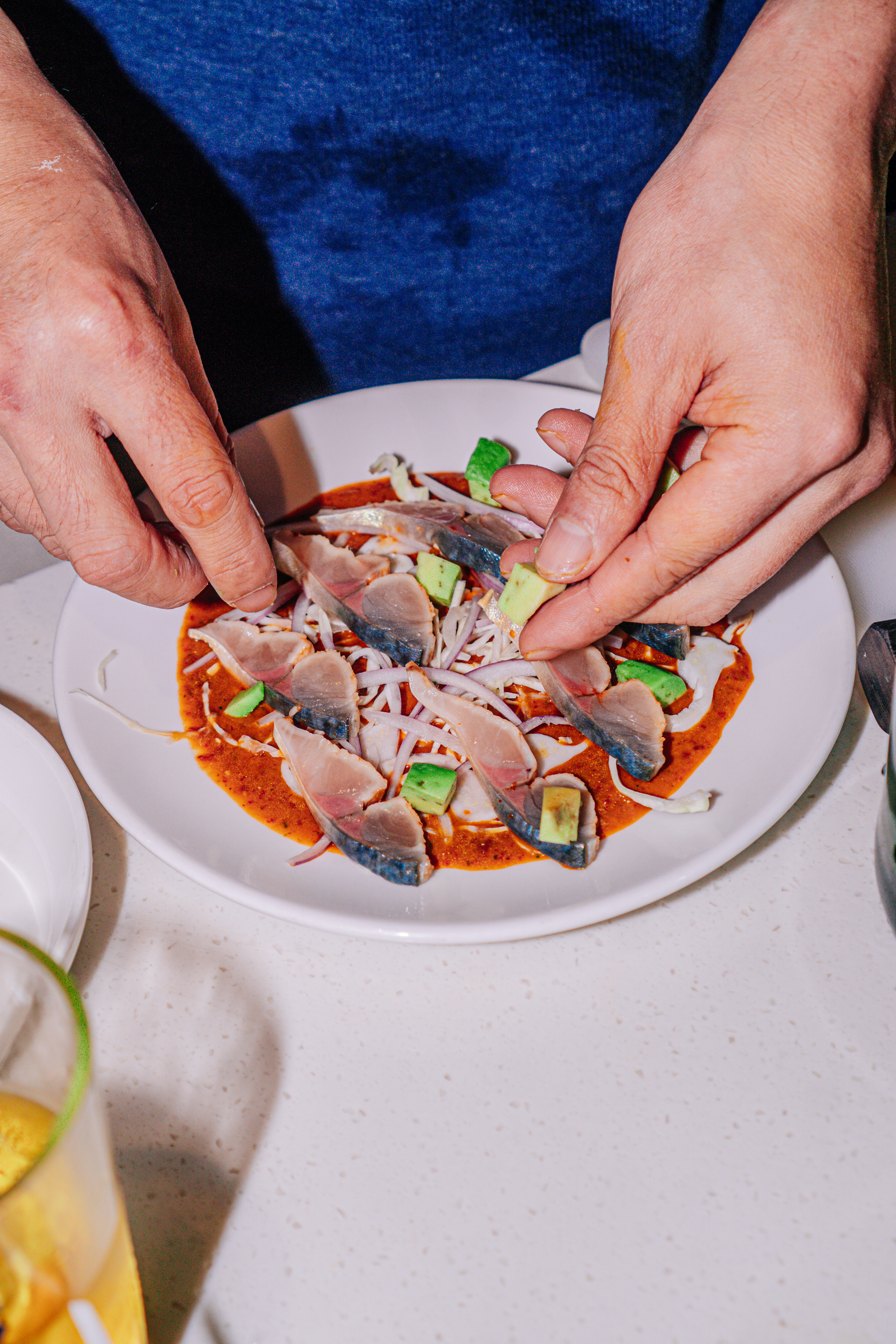
By presenting multiple expressions of Mexican cuisine rather than a single viewpoint, we challenge misconceptions and broaden curiosity. Diversification, for us, means rebuilding the spectrum— showing that Mexican cuisine is not one flavor, one dish, or one idea, but a vast range of traditions that deserve to be seen and experienced.
Mexican cuisine spans regions, traditions, ingredients, techniques, and social contexts— from masa-based cooking to street tacos, cantinas, marisquerías, and refined dining. Yet in Korea, it was long understood through only one narrow lens: Tex-Mex.
Restoring this spectrum requires introducing Mexican cuisine from top to bottom— from the refinement of fine dining, to the craft of masa and nixtamal, to the energy of street tacos, and the lively, botanero-inspired drinking culture rooted in freshness, acidity, and small plates. These expressions offer a vivid contrast to the heaviness often associated with Tex-Mex, revealing a cuisine that is bright, social, layered, and—in many ways—deeply familiar to Korean diners.
Through immersive experiences, we help guests understand how these traditions work, and why the rhythms of Mexican dining feel intuitive in a country with its own communal eating culture.
IV. Globalization
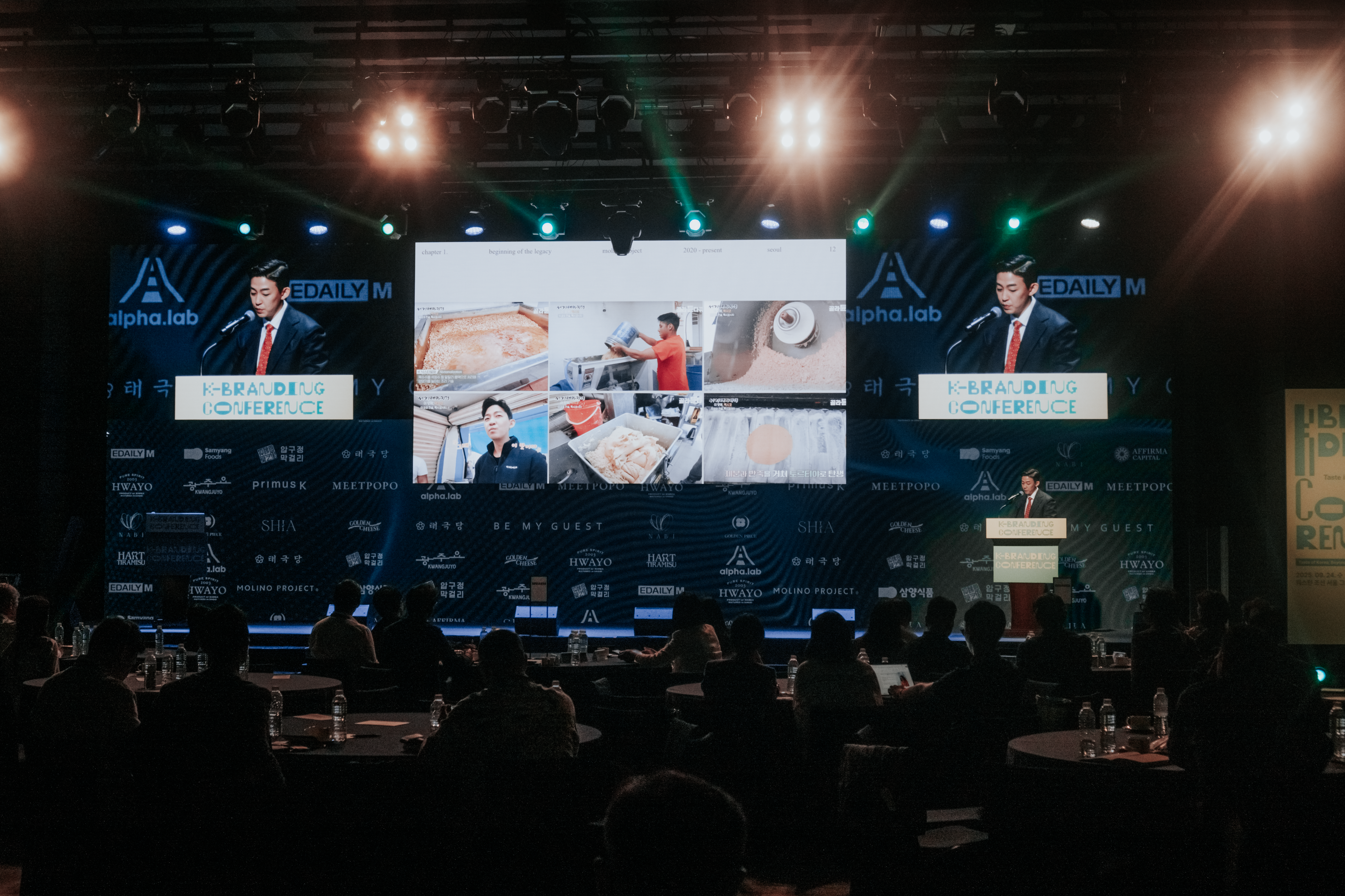
Globalization, for us, begins with refinement— deepening identity, sharpening clarity, and building expressions that can travel because they are rooted, not diluted.
As we learn from Mexican tradition, we also turn toward Korea’s own landscapes, ingredients, and producers— corn grown in Korean soil, local chilis and ferments, and the regional sensibilities that naturally resonate with Mexican techniques. These elements allow us to create food that is unmistakably connected to Korea while remaining faithful to the principles of Mexican cuisine.
This outbound movement does not follow the logic of imitation or universalization. It follows a different truth: what is most local can become the most global. Just as the most personal stories can reach the world, the most locally rooted expressions can carry the farthest— precisely because they are singular, specific, and honest.
Through careful refinement of processes, ingredients, techniques, and narratives, we aim to develop ideas and products that could stand confidently in Mexico, not as replicas but as contributions shaped by where they were born. Globalization, for us, means building something local so clearly and so sincerely that it finds its place anywhere.
Our mission is built on years of learning and deep respect for Mexican cuisine. From ingredients to daily practice, every step is about bringing it to Korea with integrity.
I. Authenticity
We begin with what came before us. Our first responsibility is to understand those origins—its ingredients, tools, and the stories carried through them.
We start with corn. We study maize at its origin and practice nixtamalization, bringing real masa into Korea with respect for the techniques that shaped it. By grounding our work in masa and traditional processes, we restore a depth that has long been missing in Korea’s understanding of Mexican food.
By studying these foundations, we bring tradition, depth, and cultural clarity into a Korean context where such layers have long been absent. This pillar ensures that any expression of Mexican cuisine we build in Korea rests on an authentic ground.

II. Popularization
A cuisine grows when it becomes part of everyday life. Our approach always begins with respecting authenticity and drawing parallels— finding the natural points where Mexican and Korean food already meet: the comforting warmth of broth, the brightness of spice, the pleasure of heat, and the shared culture of gathering around something hot and freshly made.
Across our various formats, we create spaces where guests stay for hours on average— long enough to encounter new dishes, understand ingredients, and naturally become familiar with Mexican culture. By grounding our work in authenticity while highlighting familiar sensibilities, we introduce Mexican cuisine in approachable yet impactful forms— tacos cooked on the plancha, suadero slowly simmered, lengua chopped to order, and flavors meant to be shared without hesitation.
Through these everyday dining experiences, media exposure, events, and cultural programming, we expand both awareness and demand—growing the presence, familiarity, and market size of Mexican cuisine within Korea.
Popularization, for us, means creating connection— educating through experience, amplifying cultural parallels, and inviting more people into the depth and vibrancy of Mexican cuisine.
III. Diversification
By presenting multiple expressions of Mexican cuisine rather than a single viewpoint, we challenge misconceptions and broaden curiosity. Diversification, for us, means rebuilding the spectrum— showing that Mexican cuisine is not one flavor, one dish, or one idea, but a vast range of traditions that deserve to be seen and experienced.
Mexican cuisine spans regions, traditions, ingredients, techniques, and social contexts— from masa-based cooking to street tacos, cantinas, marisquerías, and refined dining. Yet in Korea, it was long understood through only one narrow lens: Tex-Mex.
Restoring this spectrum requires introducing Mexican cuisine from top to bottom— from the refinement of fine dining, to the craft of masa and nixtamal, to the energy of street tacos, and the lively, botanero-inspired drinking culture rooted in freshness, acidity, and small plates. These expressions offer a vivid contrast to the heaviness often associated with Tex-Mex, revealing a cuisine that is bright, social, layered, and—in many ways—deeply familiar to Korean diners.
Through immersive experiences, we help guests understand how these traditions work, and why the rhythms of Mexican dining feel intuitive in a country with its own communal eating culture.
IV. Globalization
Globalization, for us, begins with refinement— deepening identity, sharpening clarity, and building expressions that can travel because they are rooted, not diluted.
As we learn from Mexican tradition, we also turn toward Korea’s own landscapes, ingredients, and producers— corn grown in Korean soil, local chilis and ferments, and the regional sensibilities that naturally resonate with Mexican techniques. These elements allow us to create food that is unmistakably connected to Korea while remaining faithful to the principles of Mexican cuisine.
This outbound movement does not follow the logic of imitation or universalization. It follows a different truth: what is most local can become the most global. Just as the most personal stories can reach the world, the most locally rooted expressions can carry the farthest— precisely because they are singular, specific, and honest.
Through careful refinement of processes, ingredients, techniques, and narratives, we aim to develop ideas and products that could stand confidently in Mexico, not as replicas but as contributions shaped by where they were born. Globalization, for us, means building something local so clearly and so sincerely that it finds its place anywhere.